

Fire extinguisher types are one of the most fundamental components of fire safety systems in industrial environments. However, in practice, many facilities install fire extinguishers without fully understanding their specific functions, fire classes, and operational limitations.
Do not make the wrong choice. This article will explain the different types of fire extinguishers based on fire classifications, their functions, and practical tips for selecting the right fire extinguisher for industrial applications.
Why Is It Important to Understand Fire Extinguisher Types?
Each type of fire extinguisher is specifically designed to suppress certain classes of fire, using different extinguishing agents with distinct characteristics. Choosing the wrong extinguisher can result in ineffective fire suppression, greater damage, and even serious risks to personnel safety.
Understanding fire extinguisher types is not merely a matter of occupational safety compliance—it is a critical component of industrial fire risk management. With the correct extinguisher selection, initial fire suppression can be carried out more effectively, helping to protect both personnel and the working environment.
Fire Classes You Need to Know
Before discussing fire extinguisher types, it is essential to understand the classification of fire classes that forms the basis for proper extinguisher selection. The main differences are explained below.
1. Class A: Ordinary Combustibles (Wood, Paper, Fabric)
Class A fires involve non-metal solid materials such as wood, paper, textiles, and certain plastics. These fires commonly occur in offices, warehouses, and archive rooms.
2. Class B: Flammable Liquids and Gases (Gasoline, Thinner, LPG)
Class B fires involve flammable liquids or gases such as gasoline, diesel fuel, thinner, alcohol, and LPG. These fires are likely to occur in production areas, workshops, and chemical or industrial facilities..
3. Class C: Electrical Fires (Panels, Computers)
Class C fires originate from energized electrical installations or equipment, such as electrical panels, servers, production machines, and electronic devices. This type of fire is common in homes, offices, and industrial facilities with extensive electrical systems.
4. Class D: Combustible Metals
Class D fires involve reactive metals such as magnesium, sodium, aluminum powder, and titanium. They typically occur in specialized manufacturing industries or laboratory environments.
5. Class K: Cooking Oils and Fats
Class K fires usually occur in commercial kitchens or food processing facilities. These fires involve high-temperature cooking oils and fats.
Fire Extinguisher Types: Functions, Advantages, and Limitations
Each fire extinguisher type uses a different extinguishing agent and is designed for specific fire classes. Proper selection directly affects firefighting effectiveness, personnel safety, and asset protection in industrial facilities.
1. Water-Based Fire Extinguishers

Water-based fire extinguishers use water as the extinguishing agent to reduce the fire temperature (cooling effect). They are suitable for Class A fires involving non-metal solid materials such as wood, paper, fabric, and certain plastics.
Advantages of water-based fire extinguishers
- Highly effective for quickly extinguishing fires involving solid combustibles
- Environmentally friendly and non-toxic
- Relatively low cost
- Easy to operate and maintain
Limitations of water-based fire extinguishers:
- Must not be used on electrical fires (Class C)
- Not effective for flammable liquid fires (Class B)
- May cause damage to equipment and important documents
2. Foam Fire Extinguishers

Foam fire extinguishers work by forming a blanket over the fuel surface, preventing contact with oxygen. They are commonly used for Class A and Class B fires, especially flammable liquid fires.
Advantages of foam fire extinguishers::
- Effective for liquid fuel fires such as gasoline, diesel, and solvents
- Reduces the risk of re-ignition
- Safer than water for flammable liquid fires
Limitations of foam fire extinguishers:
- Not recommended for energized electrical fires
- Leaves residue that must be cleaned up
- Less effective for gas fires or metal fires
3. CO₂ (Carbon Dioxide) Fire Extinguishers
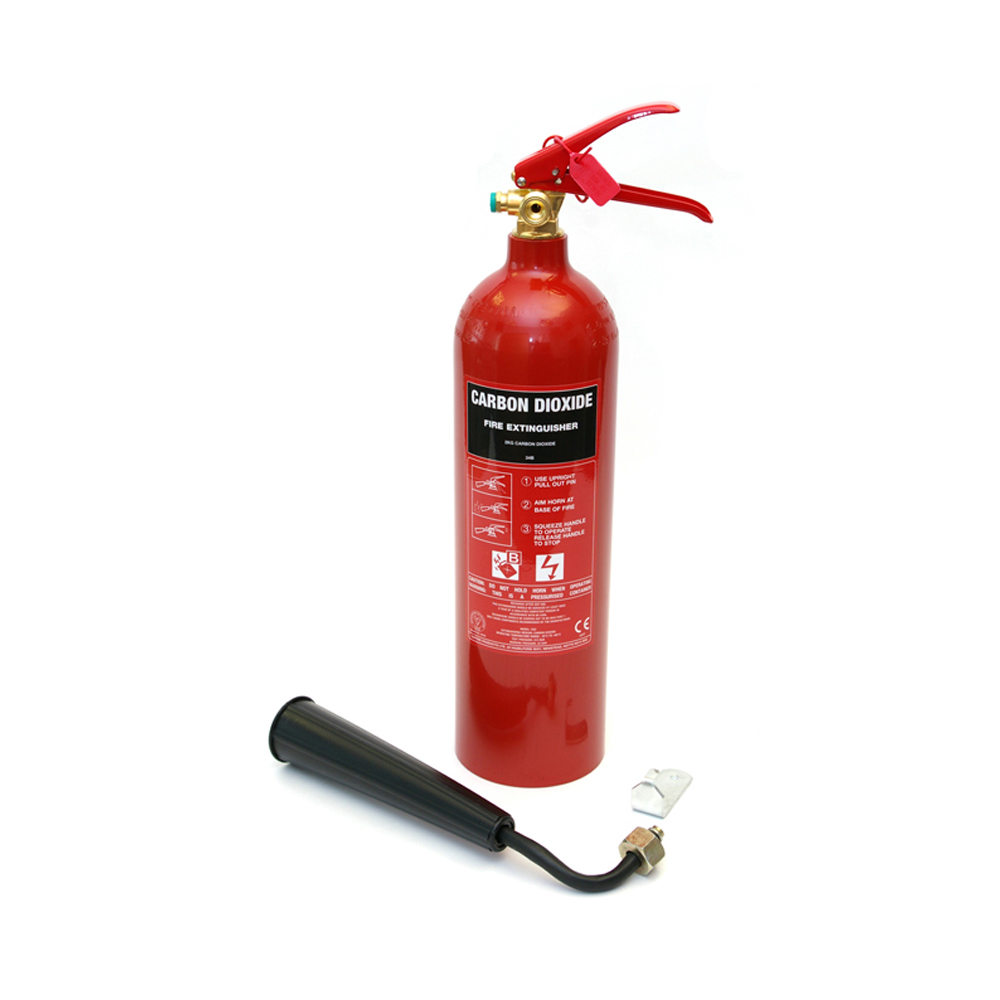
CO₂ fire extinguishers suppress fire by displacing oxygen around the fire source. This type is highly effective for Class B and Class C fires, especially in areas with electrical and electronic equipment.
Advantages of CO₂ fire extinguishers:
- Leaves no residue
- Safe for electrical panels, servers, and sensitive electronic equipment
- Provides rapid suppression in confined areas
Limitations of CO₂ fire extinguishers:
- Less effective in open or well-ventilated spaces
- Risk of suffocation if used in enclosed areas without proper ventilation
- Not suitable for Class A fires that may re-ignite
4. Dry Chemical Powder (DCP) Fire Extinguishers
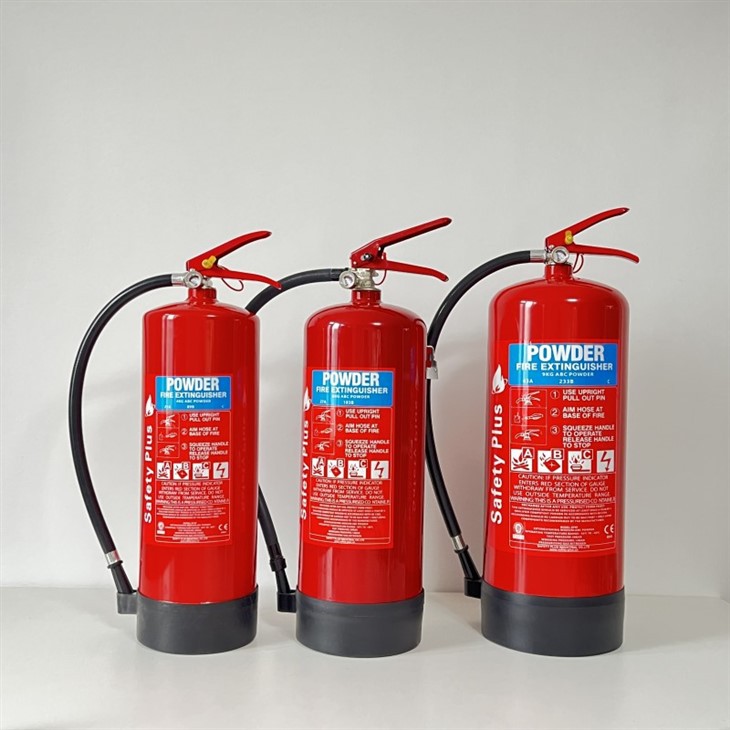
Dry chemical powder fire extinguishers are the most versatile type, as they can be used for Class A, B, and C fires. They use a dry chemical agent to interrupt the chemical reaction of combustion.
Advantages of dry chemical powder fire extinguishers:
- Effective against multiple fire classes
- Rapid fire knockdown
- Suitable for industrial areas, warehouses, and public facilities
Limitations of dry chemical powder fire extinguishers:
- Leaves powder residue that may damage equipment
- Cleanup after discharge can be time-consuming
- Not ideal for spaces with sensitive electronic devices
5. Metal Fire Extinguishers (Class D)
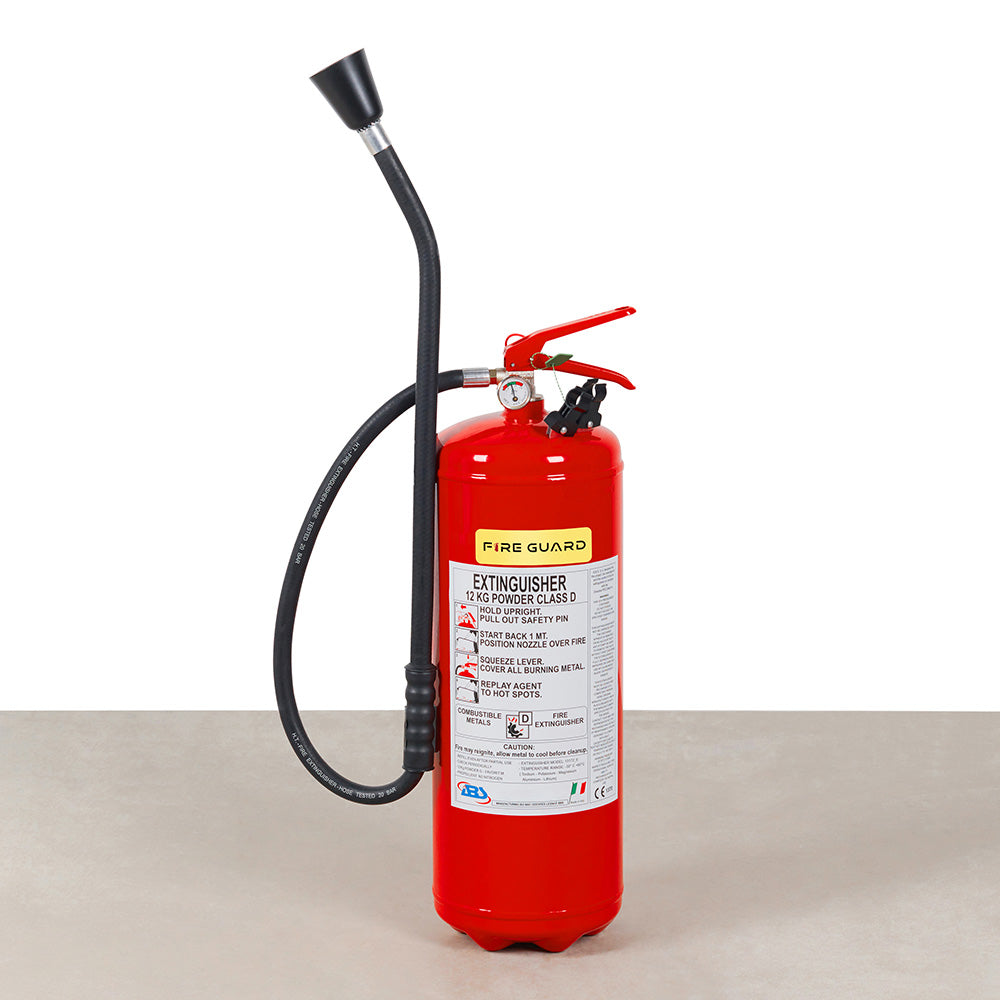
Metal fire extinguishers are specifically designed for Class D fires involving combustible metals such as magnesium, sodium, potassium, and aluminum powder. They contain special mineral-based dry powder agents formulated to suppress fire without reacting with burning metals.
Advantages of metal fire extinguishers:
- The only fire extinguisher type that is safe for metal fires
- Prevents dangerous chemical reactions
- Effective at extremely high fire temperatures
Limitations of metal fire extinguishers:
- Very specific and limited application
- Relatively higher cost
- Requires special training for proper use
6. Class K Fire Extinguishers (Wet Chemical)

Wet chemical fire extinguishers work through a saponification process, forming a protective layer over burning cooking oils and fats. This type of extinguisher is specifically designed for Class K fires, commonly found in commercial kitchens and food processing facilities.
Advantages of wet chemical fire extinguishers:
- Highly effective for cooking oils and hot grease
- Reduces the risk of re-ignition
- Safe for use in professional kitchen environments
Limitations of wet chemical fire extinguishers:
- Not versatile for other fire classes
- Less effective for electrical fires
- Typically required only in specific areas such as kitchens
Tips for Choosing Fire Extinguishers for Industrial Facilities
Selecting fire extinguishers for industrial environments cannot be treated the same as for homes or small offices. Industrial settings involve more complex fire risks, including high-voltage electrical systems, hazardous chemicals, continuously operating machinery, and high-temperature production processes.
Therefore, fire extinguisher selection must be based on a proper fire risk assessment—not merely on price or market availability. Choosing the wrong type of extinguisher can result in ineffective fire suppression, escalation of the fire, damage to high-value assets, and serious danger to operators. Below are practical guidelines to consider.
1. Map Fire Classes in Each Area
The first step is to identify the dominant fire class in every zone of the facility. Production areas, electrical control rooms, chemical storage warehouses, and industrial kitchens must not be treated the same.
For example, electrical panel rooms require CO₂ or dry chemical powder (DCP) fire extinguishers because they are non-conductive, while food and beverage kitchens require Class K (wet chemical) extinguishers that are specifically designed to suppress fires involving hot oils and fats.
2. Match Fire Extinguisher Type with Potential Asset Damage
In industrial environments, damage caused by extinguisher residue can sometimes be more costly than the fire itself. Dry chemical powder (DCP) extinguishers are indeed effective, but their residue can damage control panels, interfere with machine sensors, and cause long-term corrosion.
For areas with sensitive equipment such as data centers, control rooms, or laboratories, CO₂ or clean agent fire extinguishers are strongly recommended because they leave no residue and help minimize operational downtime.
3. Consider Fire Extinguisher Capacity and Rating
Each fire extinguisher has a fire rating (e.g., 2A, 20B, etc.) that indicates its maximum fire suppression capability. In industrial settings, using extinguishers with small capacities is often insufficient to control a fire during its early stage.
Fire extinguishers must be selected based on area size, type of combustible material, and potential fire escalation. An undersized extinguisher may cause operators to fail in suppressing the fire and lose the critical golden time before it grows out of control.
4. Ensure Ease of Use for Operators
Industrial fire extinguishers are often operated by non-technical personnel under panic conditions. Therefore, selection should consider cylinder weight, activation method, and recoil force during discharge. Extinguishers that are too heavy or difficult to operate may end up not being used at all during an emergency, increasing the risk of fire spread and injury.
The Importance of Fire Risk Assessment in Selecting the Right Fire Extinguisher Types
Having fire extinguishers installed in every area does not automatically mean that fire risks are under control. Many fires escalate not because extinguishers are unavailable, but because the extinguisher type does not match the actual hazards, room layout, or user capability. This is where a Fire Risk Assessment (FRA) becomes critical.
Through its Fire Risk Assessment service, Lumeshield is ready to help you systematically analyze all fire risks in your facility. The assessment results ensure that the installed fire extinguisher types are truly effective when needed, rather than merely fulfilling administrative requirements.
Do not wait for an incident or audit finding to realize that the fire extinguisher types in your industrial facility do not match the real risk factors. Contact us today to start your consultation.