
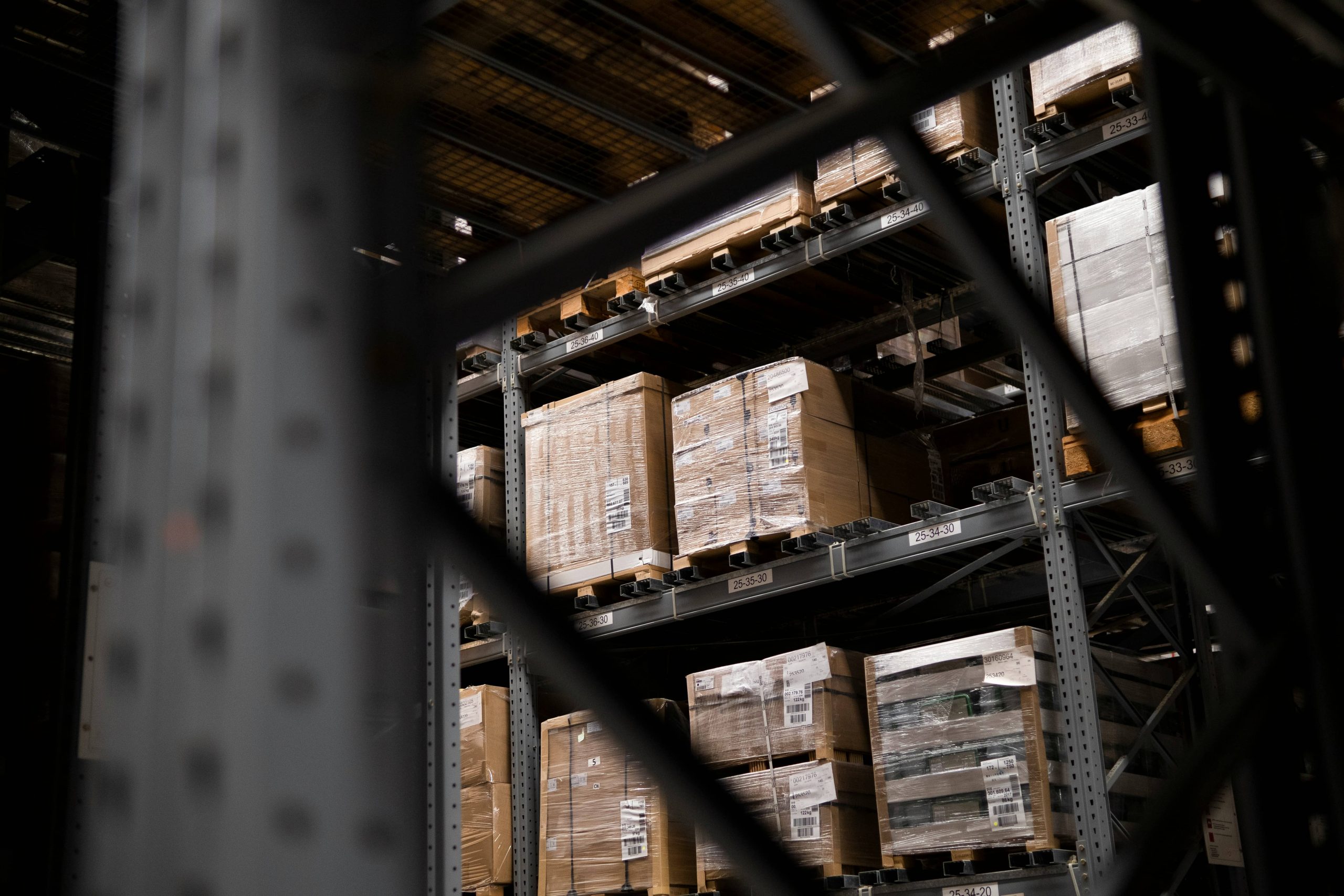
Protecting your storage warehouse from fire risks is a smart and proactive step to safeguard valuable assets and essential inventory—while ensuring your business operations continue without disruption. But how can you determine which fire protection system is right for your warehouse? At Lumeshield, we specialize in helping you design effective, compliant, and efficient fire protection solutions.
Here are several key steps to help you design and choose the right fire protection system for your facility.
1. Conduct a Fire Risk Analysis
The first step in selecting a fire protection system is to perform a comprehensive fire risk assessment. Identify all possible sources of ignition—electrical equipment, combustible materials, or operational hazards. This helps determine the appropriate fire protection design that mitigates these risks effectively.
2. Understand the Type of Stored Goods
The type of materials stored significantly influences the fire protection design. Does your warehouse contain chemicals, electronics, or flammable products? Each type of storage requires different fire protection system designs. For example, chemical storage calls for a different design approach compared to plastic storage.
3. Evaluate Your Fire Protection Options
Various types of fire protection systems can be applied based on your warehouse needs. At Lumeshield, we tailor every design to the specific risk profile. Consider these systems:
- Sprinkler Systems: Suitable for large spaces with high fire loads. Sprinkler design must reflect layout, storage type, and ceiling height.
- Gas Suppression Systems: Use inert or chemical gases, ideal for electronics or archives. The design must ensure sealed rooms and proper gas dispersion.
- Foam Systems: Target liquid fires with foam layers. Foam design must cover the full storage area with even distribution.
- Powder Systems: Effective for Class A, B, and C fires. Their design needs strategic placement and rapid accessibility.
4. Plan for System Integration
A smart fire protection design includes integration with existing alarm, surveillance, and safety systems. This ensures efficient monitoring and faster emergency responses. Lumeshield ensures every fire protection system is part of a well-integrated safety strategy.
5. Follow Standards and Insurance Guidelines
Your fire protection system design should comply with local standards and regulations. In Indonesia, this means adhering to BSN and Fire Department guidelines. Compliance ensures legality, safety, and smooth insurance processes.
Most insurers require certified fire protection designs to process claims. At Lumeshield, we make sure your system meets these insurance criteria so your assets are protected from both fire and financial risk.
6. Consult with Lumeshield Experts
Choosing the right fire protection system is not a one-size-fits-all task. Our fire protection design consultants at Lumeshield will analyze your warehouse, assess risks, and recommend a solution tailored to your needs—from initial concept to installation and testing.
Conclusion
Selecting and designing the correct fire protection system for your warehouse is essential to preserving your inventory and business continuity. By following the steps above—and partnering with Lumeshield—you ensure your facility is protected by a high-quality, well-engineered fire protection design.
Don’t wait for a fire to expose vulnerabilities.
Contact Lumeshield today and secure your warehouse with reliable, expert-engineered fire protection.