
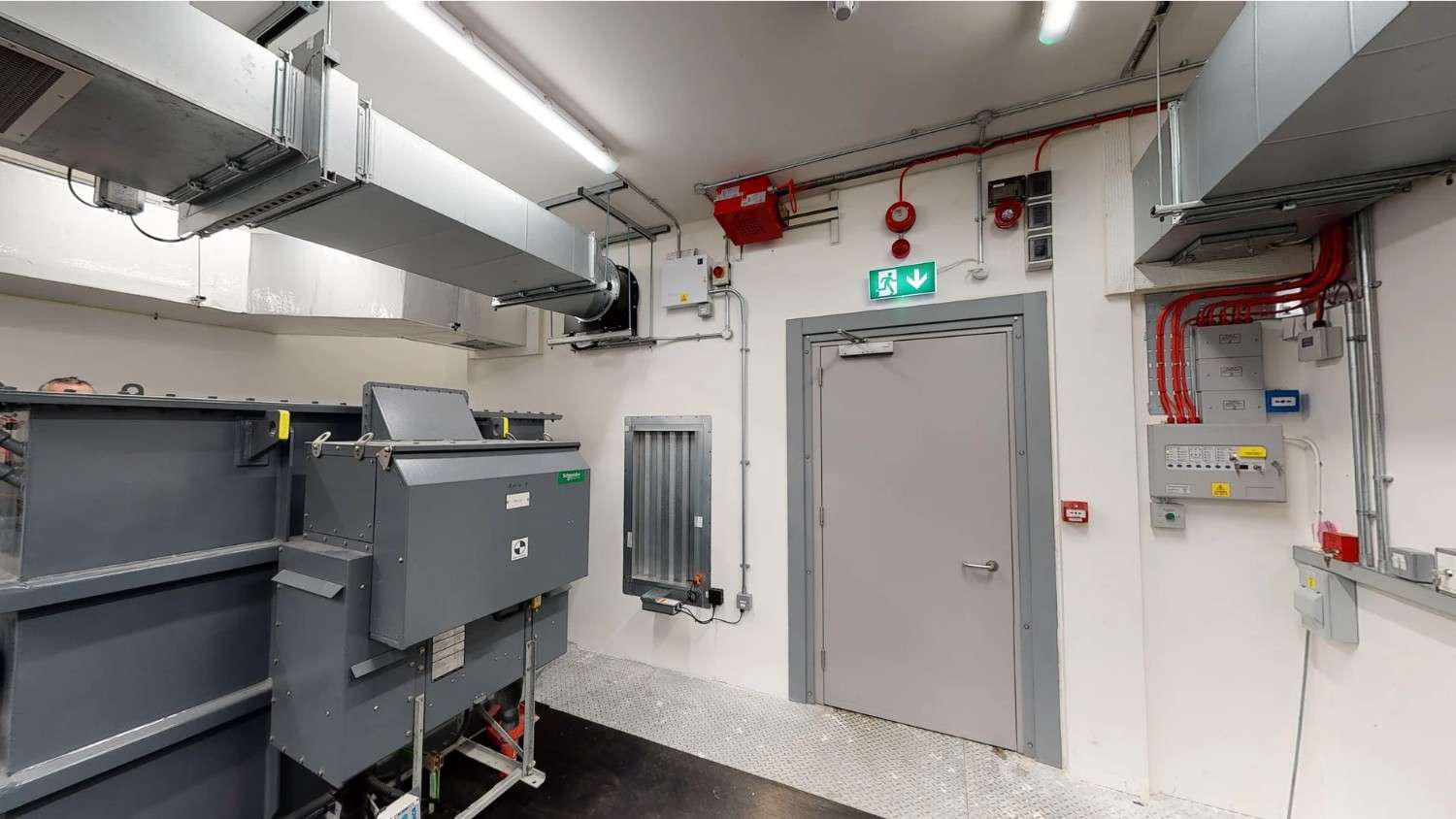
Understanding the fire suppression system for transformer room is essential for every facility manager aiming to ensure optimal protection. The transformer room is the heart of power distribution. Even a small fire incident can cause significant operational disruption and safety hazards.
Unlike other facility areas, transformer rooms present unique fire risks. The combination of insulating oil, high operating temperatures, and electrical equipment within the same confined space requires a specialized fire protection design. Conventional fire suppression systems simply aren’t sufficient to handle the specific hazards present in these environments.
In this article, we’ll explore the different types of fire suppression systems for transformer rooms and how each one works. We’ll also explain why involving a professional fire engineer in the design process is critical to achieving a system that is both compliant and highly effective.
Unique Fire Risks in High-Voltage Transformer Rooms
As a space filled with high-voltage electrical equipment, a transformer room presents unique and complex fire hazards. The causes often stem from highly specific technical or material-related factors that require specialized mitigation strategies.
The most critical risk in any transformer room—including the one you manage—is insulation failure. This condition occurs when excessive heat builds up due to a short circuit, causing the coil temperature to rise dramatically. As a result, insulating materials and cooling oil can ignite, triggering a chain reaction of fire that is extremely difficult to control.
In other cases, a sudden short circuit may generate intense heat and strong mechanical forces. Such an event can damage internal transformer components and lead to combustion. Once a fire starts, it can spread rapidly throughout the transformer room, fueled by the abundance of high-voltage electrical equipment.
Why Is Water the Worst Option for This Area?
Water-based suppression is never suitable for a fire suppression system for transformer room applications. The reason is simple: water can severely compromise transformer integrity and electrical safety.
Even a small amount of water contamination can drastically reduce the dielectric strength of transformer insulating oil. This leads to insulation breakdown, increasing the likelihood of electrical faults and thermal runaway. In addition, moisture promotes corrosion on metal components such as copper windings and iron cores, accelerating wear and reducing operational reliability.
In essence, transformer rooms and water should never coexist. Any trace of moisture or humidity entering the room can weaken the oil’s insulating properties and the transformer windings’ dielectric performance. Once insulation failure occurs, the risk of short circuits—and consequently fire—becomes significantly higher.
Comparing the Right Fire Suppression Systems for Transformer Rooms
Choosing the most effective fire suppression system for transformer room requires a careful balance between fire extinguishing performance, equipment protection, and personnel safety.
To ensure long-term reliability and compliance with fire safety standards, you can contact our expert team to design a tailor-made suppression system handled by certified specialists.
Before making your decision, it’s important to understand the three most commonly used systems for transformer protection. Let’s take a closer look at their advantages and limitations.
1. CO₂ System
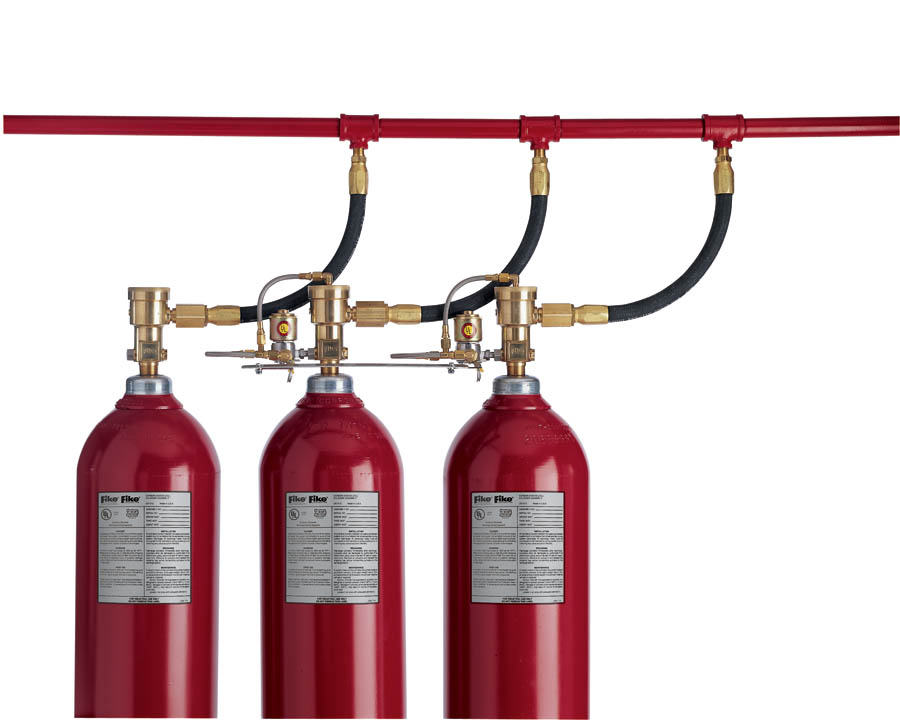
The CO₂ fire suppression system is one of the most widely used solutions for protecting electrical equipment areas, including transformer rooms. It offers a cost-effective installation process and affordable CO₂ refilling compared to other gas-based systems.
Key Advantages of the CO₂ System:
- CO₂ effectively extinguishes fires by displacing oxygen in the protected area, cutting off the combustion process while simultaneously cooling the heat source.
- The gas is non-conductive, making it safe to use around high-voltage equipment without damaging sensitive electrical or mechanical components.
- CO₂ leaves no residue after discharge, minimizing post-fire cleanup and preventing further contamination or corrosion on protected equipment.
- The system can be fully automated through early temperature or smoke detection, allowing rapid and reliable fire suppression.
- It is suitable for total flooding applications in enclosed spaces such as transformer rooms, generator rooms, and electrical control panels.
However, despite its effectiveness, CO₂ also poses certain safety risks for personnel. When discharged in an enclosed area, it can cause oxygen depletion (hypoxia), which may lead to shortness of breath, loss of consciousness, or even fatality without proper ventilation and evacuation.
Therefore, every fire suppression system for transformer room using CO₂ must be equipped with automatic warning alarms, emergency ventilation, and strict evacuation protocols to ensure human safety. Ideally, this system should only be activated when the room is unoccupied and must include clearly marked escape routes and post-discharge air recovery systems.
2. Clean Agent (FM-200 and Novec 1230)
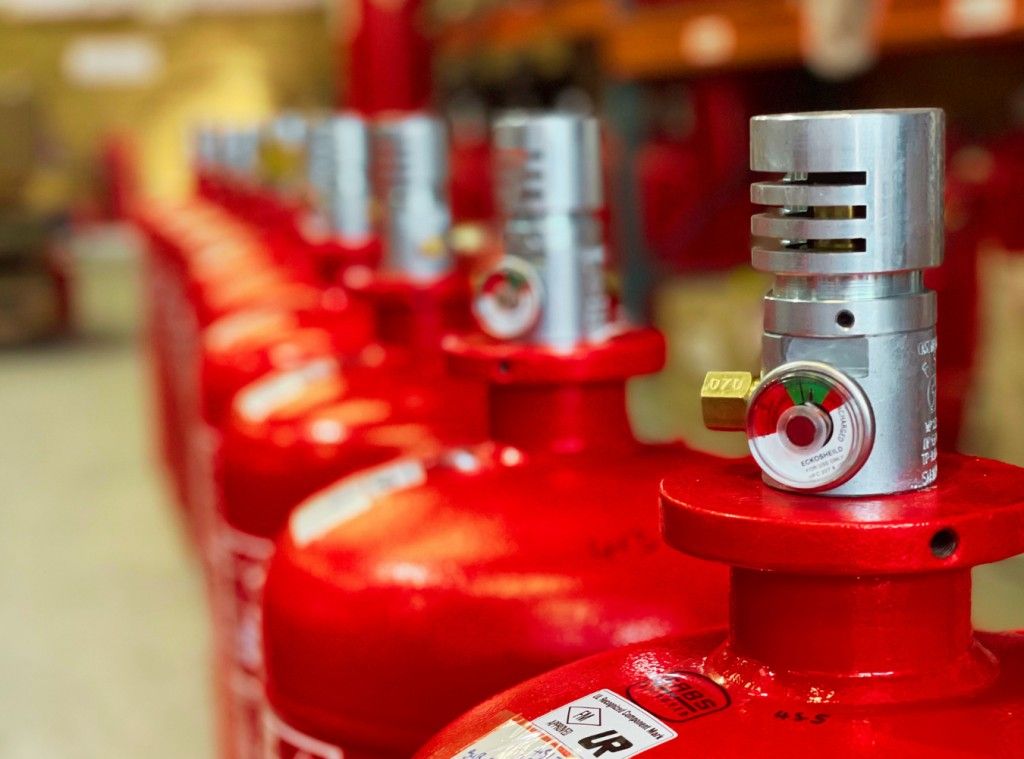
FM-200 and Novec 1230 are synthetic clean agents stored in a compressed liquid state and released as gas when activated. These clean agent fire suppression systems provide a modern and highly effective solution to protect critical electrical equipment and data from fire—without causing any damage or contamination.
The key advantage lies in their residue-free and non-conductive nature. Both FM-200 and Novec 1230 leave no particles or oily deposits, making them ideal for sensitive electrical and electronic environments. Among the two, Novec 1230 is considered more environmentally friendly, featuring zero Ozone Depletion Potential (ODP) and an atmospheric lifetime of less than five days. In comparison, FM-200 remains longer in the atmosphere—up to 36.5 years—but is more efficient in terms of gas quantity required for the same protected area.
Unlike the CO₂ system, clean agents are much safer for occupied spaces. Their operating concentration remains below human toxicity levels and does not reduce oxygen in the air, making them suitable for use in areas where personnel may be present.
Nevertheless, it is still essential to integrate early fire detection systems and real-time monitoring to ensure that agent discharge occurs under safe conditions. Proper design and maintenance are crucial to guarantee both fire protection performance and occupant safety in transformer rooms and other mission-critical facilities.
3. Water Mist System
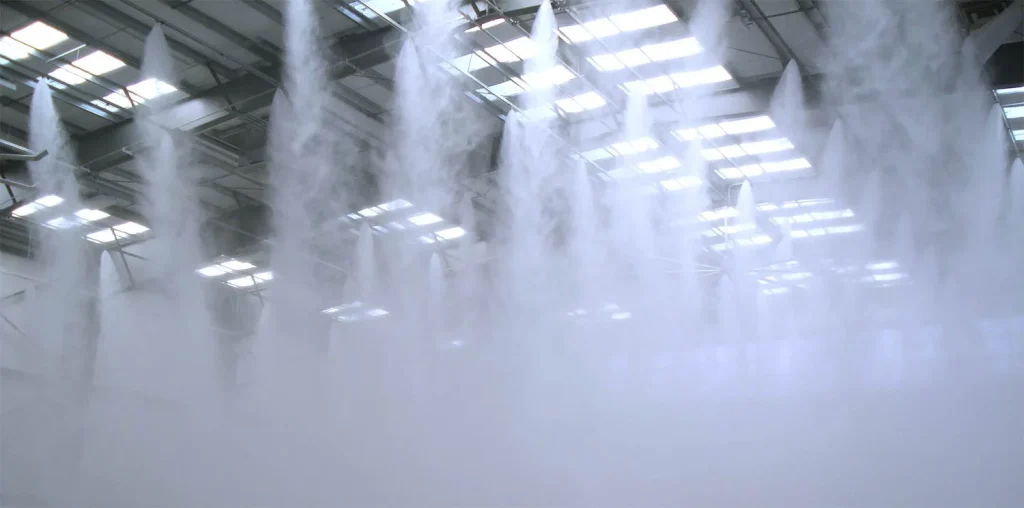
The Water Mist System is an advanced fire suppression technology that uses fine water droplets—typically smaller than 1,000 micrometers—to control and extinguish fires effectively. This system operates by dispersing a mist that absorbs heat and cools the fire zone, creating an environment where flames cannot sustain combustion.
Equipped with high-sensitivity heat, smoke, or laser smoke detectors, the system automatically detects early signs of fire. Once triggered, the control unit activates valves—mechanically, hydraulically, pneumatically, or electrically—to release pressurized water through specialized water mist nozzles. This rapid response minimizes both damage and downtime.
The water mist system is ideal for protecting areas that require effective fire control but must avoid water pooling or electrical hazards. The fine mist cools the fire source and lowers ambient temperatures below the ignition point, ensuring efficient suppression with minimal collateral impact. In some applications, chemical additives are used to enhance extinguishing performance by disrupting the fire’s chemical chain reaction.
Designing an Automatic Detection and Fire Suppression System for Unmanned Critical Areas
Designing an automatic detection and fire suppression system for transformer rooms—especially in unmanned or critical facilities—requires precision engineering to ensure fast, reliable, and human-independent performance.
The system must detect hazards in real time, activate suppression mechanisms automatically, and communicate alerts to operators off-site. Below are the key design components based on current industry best practices and research.
1. Choosing the Right Detection Sensors
Selecting the appropriate sensors is crucial for early and accurate fire detection. A combination of smoke, flame, heat, and gas detectors provides comprehensive monitoring.
Modern sensors equipped with UV/IR and High-Sensitivity Smoke Detection (HSSD) technologies can identify the earliest fire signatures even in harsh environments with dust or high temperatures. These sensors must offer high responsiveness, environmental resilience, and minimal false alarms.
2. Integration with Automatic Control Systems
Detection sensors should be integrated with a microcontroller or PLC-based control system that processes real-time data. Once a hazard signal exceeds the defined threshold, the system automatically triggers alarms and activates the fire suppression system for transformer room without requiring manual intervention.
3. Automated Fire Suppression Activation
Depending on the fire risk profile, the system automatically releases the appropriate extinguishing agent—CO₂, FM-200, Novec 1230, or water mist—to control the fire effectively. Actuators also manage area isolation, ventilation shutdown, and emergency access to minimize fire spread and protect critical equipment.
4. Remote Monitoring and Notifications
To ensure continuous protection, integrate the system with IoT-enabled communication networks that send alerts to the central control room via SMS, mobile app, email, or other real-time platforms. This allows remote monitoring and rapid response from fire safety personnel even when no operator is on-site.
5. Regular Testing, Calibration, and Maintenance
Consistent testing and calibration are essential to maintain sensor and actuator reliability. Scheduled maintenance helps extend system lifespan, ensure performance accuracy, and prevent operational failures in emergency situations.
Why You Should Involve a Professional Fire Engineer
A professional fire engineer plays a crucial role in ensuring that every fire suppression system for transformer room is both effective and compliant with international safety standards. They possess the technical expertise to conduct detailed fire risk assessments, determine the appropriate level of protection, and design systems tailored to the unique characteristics of high-risk areas such as transformer rooms.
By involving certified fire engineers in the design process, you can ensure that all suppression technologies and methods meet key global standards, including NFPA, FM Global, and SNI. This ensures not only compliance but also optimal system performance in the event of a fire.
At Lumeshield, our team of experienced fire engineers specializes in creating customized fire protection system designs that integrate detection, suppression, and safety control systems into a cohesive, high-performance solution. Through our Fire Protection System Design service, we help businesses build reliable and compliant protection for critical infrastructure like transformer rooms.
Fire safety is not just a regulatory requirement, it’s a long-term investment in protecting your business from catastrophic loss. Contact us today and let our experts help you design a fire suppression system for transformer room that truly safeguards your operation before it’s too late.