

A fire can leave behind serious risks if not handled properly. Beyond extinguishing the flames, a post-fire inspection is essential to ensure the safety and recovery of your facility.
Even a minor fire requires a thorough area assessment to identify hidden hazards and structural damage. Fire exposure can weaken building materials, damage insulation, and disrupt electrical systems — all of which may lead to secondary incidents if ignored.
To avoid costly mistakes and ensure a safe recovery, this article outlines the key actions you should take after a fire incident, starting with a proper post-fire inspection.
Hidden Hazards to Watch during Post-fire Inspection
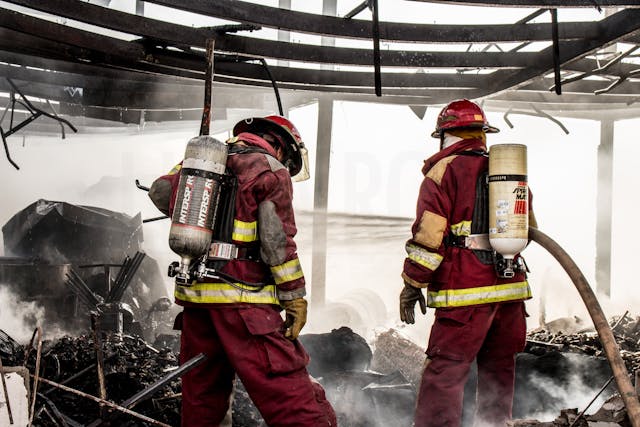
Fire response doesn’t end once the flames are out. In fact, several hidden hazards often remain after a fire is extinguished — including lingering embers that may trigger reignition, structural instability, and electrical hazards that pose serious safety risks.
As a facility manager, it’s crucial to stay alert to these potential dangers. You must be extra careful, especially when entering the scene immediately after the fire has been extinguished to check the situation.
Make sure you complete every item on the post-fire inspection checklist below before entering the site to ensure the area is truly safe for assessment or recovery activities.
1. Ensure the Fire Is Completely Extinguished
Before beginning any post-fire inspection, make sure that the fire source has been fully extinguished and no residual heat or embers remain.
Reignition can occur within a short period if smoldering embers are trapped inside debris piles, hollow walls, ceilings, or furniture. These hot spots can retain high temperatures capable of reigniting the fire if not properly addressed.
That’s why the overhaul or cooling phase conducted by fire response teams is critical. Firefighters typically use thermal imaging cameras to detect hidden heat pockets and perform secondary water spraying to ensure the temperature is fully stabilized.
This step is essential to confirm the area is safe and prevent the risk of a secondary fire during your post-fire inspection.
2. Inspect for Structural Hazards
One of the most critical steps in a post-fire inspection is assessing potential structural damage. Fires can weaken essential building components such as walls, ceilings, and floors made of concrete or steel.
Extreme heat can cause cracking, spalling, and a significant reduction in concrete strength, while steel reinforcement may lose its load-bearing capacity due to thermal deformation.
These types of damage are not always visible to the naked eye. Therefore, a comprehensive inspection by a qualified structural or civil engineer is essential to ensure the building’s integrity.
Undetected structural compromise can lead to serious risks such as major deformation, partial or total collapse, or excessive stress on remaining load-bearing elements — all of which pose severe safety hazards for anyone entering or occupying the facility.
3. Be Aware of Electrical Hazards
Even a small fire can severely damage electrical systems such as wiring, outlets, and connected equipment. During a post-fire inspection, it’s common to find melted or burned cable insulation, which can lead to electrical leakage or uncontrolled current flow — creating a serious risk of electric shock upon contact.
To prevent this, always disconnect the power supply to the affected area before re-entry. A qualified electrical technician should conduct a detailed inspection of all wiring, panels, and circuits to ensure safety and compliance before restoring power.
Additionally, wear proper personal protective equipment (PPE) such as insulated gloves and boots during the inspection to minimize exposure to live electrical components.
How to Clean Fire Extinguisher Residue After a Fire
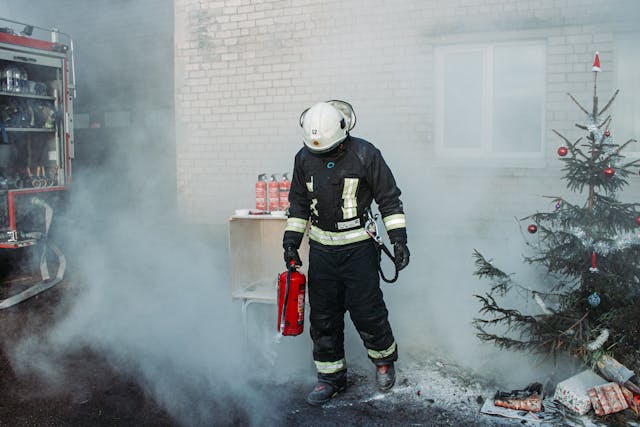
One of the key steps in a post-fire inspection is ensuring that all fire extinguisher residue has been properly cleaned. Most portable fire extinguishers (commonly known as dry chemical extinguishers) contain substances like monoammonium phosphate, sodium bicarbonate, or potassium bicarbonate. Those chemical compounds are designed to interrupt the fire triangle and stop combustion.
However, after the fire is extinguished, these powder residues must be removed immediately. If left for too long, the corrosive chemicals can damage surfaces, leave permanent stains, and even cause skin or respiratory irritation upon contact.
Here’s how to safely clean up dry chemical fire extinguisher residue after an incident:
- Mix isopropyl alcohol and warm water in a 1:1 ratio. Stir and let the solution settle for a few minutes before use.
- Dampen a cloth or sponge with the solution, then gently wipe the surfaces covered in residue.
- For potassium bicarbonate or sodium bicarbonate, use a mix of warm water (98%) and vinegar (2%) to neutralize and clean the area.
- Combine baking soda and toothpaste with warm water to create a mild paste. Apply it to the affected area, let it sit for a few minutes, then wipe it clean with a damp cloth.
- After the chemical cleaning, wipe the area again with clean water to remove any remaining solution.
- Use a fan or natural airflow to completely dry the cleaned surfaces and eliminate any leftover residue.
When Should You Refill Your Fire Extinguisher?
As part of a thorough post-fire inspection, one of the most critical steps is checking whether your fire extinguisher needs to be refilled. Once an extinguisher has been discharged—even partially—it must be recharged immediately.
Delaying this can lead to a drop in internal pressure, reducing its ability to function properly during the next emergency. In the worst-case scenario, the extinguisher may fail completely. To ensure compliance and safety, this procedure should always be handled by a certified technician following SNI and NFPA standards.
As a facility or building manager, it’s your responsibility to conduct a regular fire protection system audit. At least once every six months, check the extinguisher’s physical condition and expiration date. If you notice any signs of damage, condensation, or if the pressure gauge shows a red zone, your extinguisher must be serviced or refilled immediately.
For over a decade, Lumeshield has been a team of professional fire engineers specialized in designing precise and efficient fire protection systems tailored to your business needs.
You can access professional recommendations and evaluations of your overall fire protection system, including extinguishers. Our goal is to enhance the safety performance of your building and ensure your fire protection measures remain reliable in every emergency.
Don’t wait until it’s too late. Contact us now to safeguard your facility and prevent potential fire hazards before they escalate.